
Warmer floors in winter
Insulation under the floor stops cold air rising through gaps in the floorboards, so your feet stay warm and rooms heat up faster when you turn on the heater.
Ormond
Underfloor insulation fitted under suspended timber floors in Ormond stops cold air rising through floorboards, eliminating draughts and reducing heating costs in winter.
Share your details and Expert Insulation Melbourne will contact you about Underfloor Insulation in Ormond.
Ormond’s older weatherboard and brick veneer homes often have suspended timber floors with little or no insulation beneath. Underfloor insulation is installed between the floor joists in the subfloor to block cold air and draughts coming up through gaps in the floorboards. This keeps living spaces warmer in winter and reduces the load on heaters, lowering energy bills.
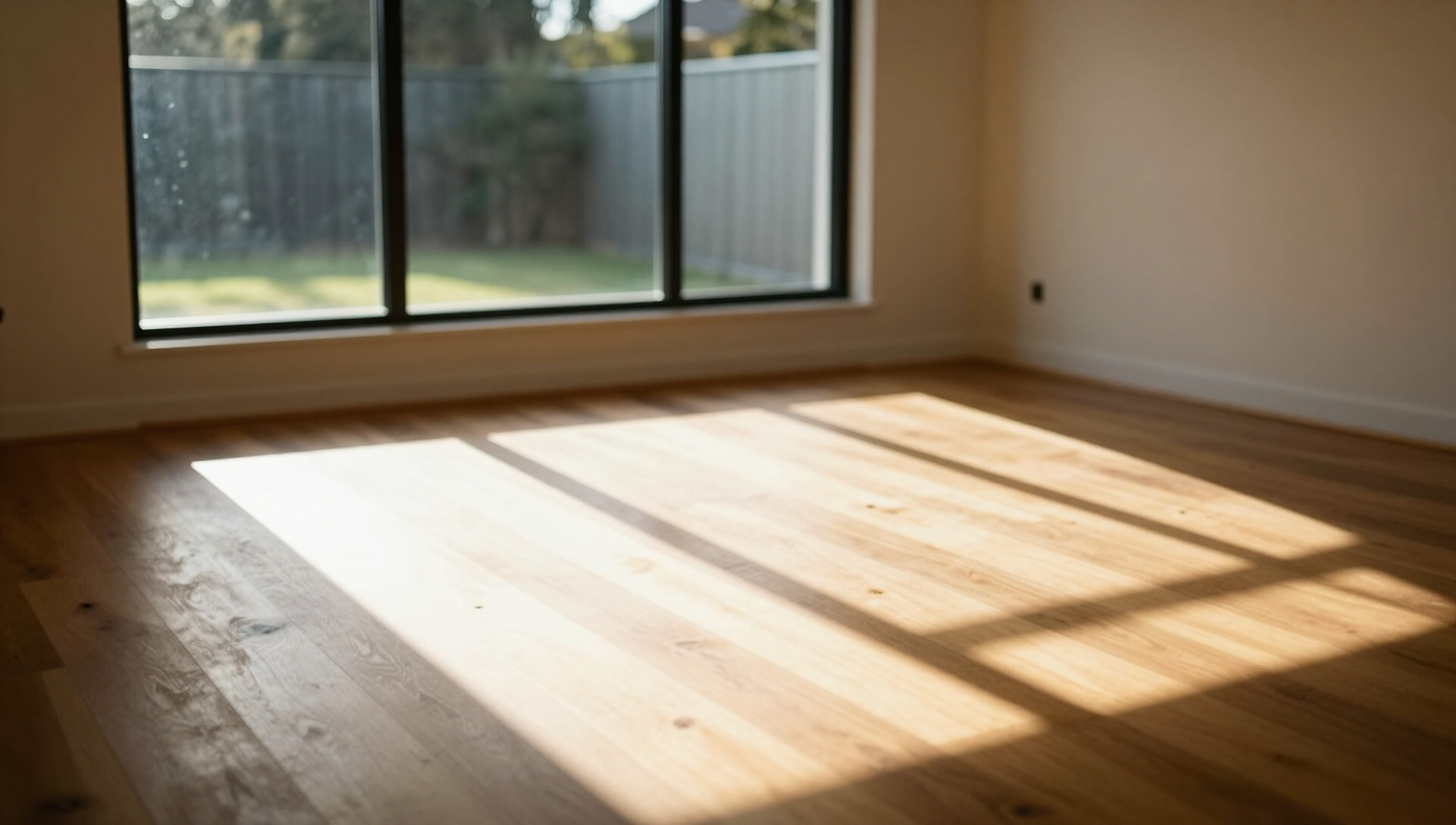
Ormond’s mix of interwar bungalows and postwar brick homes often have suspended timber floors that let cold air rise into living areas. Underfloor insulation addresses this by creating a thermal barrier beneath the floor, improving comfort and energy efficiency.
Insulation under the floor stops cold air rising through gaps in the floorboards, so your feet stay warm and rooms heat up faster when you turn on the heater.
By cutting heat loss through the floor, your heater runs less often and uses less energy, which lowers your power bills over winter.
Older homes in Ormond often have gaps between floorboards and around skirting. Underfloor insulation blocks these draughts, making rooms feel more comfortable.
A consistent temperature at floor level means fewer cold spots and a more even heat distribution throughout the home.
Insulation helps manage moisture in the subfloor, lowering the chance of condensation forming on cold surfaces beneath the house.
Underfloor batts can be retrofitted to most suspended timber floors without removing floor coverings, as long as there is safe crawl space access.
Installing underfloor insulation in Ormond starts with a site inspection to check access, joist spacing and the condition of the subfloor. The work is done from beneath the house, so there is no need to lift floorboards or move furniture.
We check the subfloor for safe access, measure joist spacing and confirm the type of insulation that will fit. We also look for moisture issues or pest damage that needs addressing first.
The area under the floor is cleared of debris and any sharp objects that could damage the batts. We also check for exposed wiring or plumbing that needs protection.
Bulk insulation batts are cut to size and friction-fitted between the floor joists. We use glasswool, polyester or rockwool depending on your preference and budget.
Batts are held in place by the joists and stapled or supported where needed. We ensure full coverage with no gaps, then clean up the subfloor area.
Ormond sits in Melbourne’s inner south-east, where cold winters and damp conditions make uninsulated suspended floors a common source of discomfort. Many homes in Ormond were built with timber floors raised on stumps and bearers, leaving a gap beneath that lets cold air rise into living spaces. Underfloor insulation is a practical upgrade that improves thermal performance without altering the home’s structure. Nearby suburbs like McKinnon and Bentleigh share similar housing stock, so the same solution applies.
Stop cold floors and draughts in Ormond with underfloor insulation fitted between floor joists in the subfloor.
Homeowners in Ormond often ask about access, R-values and whether their house is suitable for underfloor insulation. Here are the key details.
Underfloor insulation in Ormond is installed beneath suspended timber floors to block cold air rising through floorboards. This is a common issue in older weatherboard and brick veneer homes where the subfloor space is exposed to outside temperatures. By fitting bulk insulation batts between the floor joists, you create a thermal barrier that keeps living areas warmer in winter and reduces heating costs.
The process starts with an inspection of the subfloor to confirm safe access and measure joist spacing. Most Ormond homes have enough crawl space for installers to work from beneath the house, so there is no need to remove floor coverings or move furniture. Batts are friction-fitted between joists and held in place without gaps. Typical R-values for underfloor insulation range from R1.5 to R2.5, depending on the product and the depth of the joists.
Signs your Ormond home needs underfloor insulation include cold floors in winter, draughts coming up through floorboards and higher than expected heating bills. If your house has a suspended timber floor and no existing insulation beneath, adding underfloor batts is a cost-effective way to improve comfort and energy efficiency. Costs vary based on floor area, access difficulty and the chosen R-value.
Call Expert Insulation Melbourne on 0399695249 or email info@expertinsulationmelbourne. com. au to arrange a quote for underfloor insulation in Ormond.